 Paulo Castellano
The Vision Behind Pipeback: Building a $100M ARR SaaS Company
After a decade building SaaS, exits, and creating Changelogfy — used by companies like Namecheap, Panda Video, MeteorJS, and Web Summit — I’m now building Pipeback. My vision: a single platform to unify marketing, sales, support, and success, and scale to $100M ARR.
I’ve been building SaaS for more than 10 years now. In this time, I’ve seen pretty much everything: the excitement of launching a new product, the grind of getting the first customers, the frustration of bugs in production, the stress of churn, and the incredible feeling of closing a deal that changes the direction of your company.
Along this journey, I built and sold companies. I had an M&A, I had an exit, and I also created Changelogfy, a global SaaS that helps teams publish product updates and keep users updated. Today it’s used by companies worldwide, including Namecheap, Panda Video, MeteorJS, and Web Summit.
But even with these wins, one thing became very clear to me: most SaaS companies, including mine, were wasting too much time and money trying to connect tools that should never have been disconnected in the first place.
This frustration is the seed that grew into Pipeback. And Pipeback is not just another project for me. It’s the company I want to scale into $100M ARR.
The fragmented stack problem
Every SaaS founder knows this playbook:
- You pick one tool for marketing, maybe HubSpot or something lighter.
- Sales gets its own CRM, like Pipedrive or Salesforce.
- Support chooses Intercom, Crisp, or Zendesk.
- Customer success uses spreadsheets, or maybe tries to force-fit Notion or Airtable.
Individually, these tools are amazing. But put them together and the nightmare starts.
At first, it feels okay, “we’ll just integrate everything.” But integrations are fragile. APIs change, tokens expire, and data formats don’t match. Suddenly, your sales pipeline isn’t syncing with marketing leads, or your churn data in the CRM doesn’t match what your billing system says.
I’ve seen this happen countless times. Sometimes it took hours to fix. Other times, days. And often, it required pulling in developers to debug APIs or set up webhooks.
This is expensive. Developers are supposed to be building the product, not babysitting integrations.
And the worst part? Even when the integrations work, they still create silos. Marketing knows something, sales know something else, support knows another piece, but nobody sees the full picture of the customer.
If you want to build a big company, you can’t afford to run on fragile plumbing.
This photo captures something special: Vanessa, our CMO, surrounded by people wearing Pipeback shirts at the summit. It wasn't planned—these were founders and attendees who genuinely connected with what we're building. Seeing people choose to represent Pipeback at one of Brazil's biggest startup events showed us we're on the right track.
It's moments like these that fuel our conviction that we're solving a real problem for the SaaS community.
Lessons from building and selling SaaS
When I sold my companies, I had time to reflect. What really made them grow? What really made them hard to grow?
The growth moments always happened when the whole company was aligned around the customer. When marketing could see what sales were promising. When support had the context of what success managers were tracking. When we didn’t need to spend hours asking “who owns this customer?” or “what’s the last thing we told them?”
The painful moments always happened when tools didn’t talk to each other. I remember once we lost a big account simply because support didn’t know that sales had already promised a feature. We looked unprofessional. And the truth is, it wasn’t the team’s fault, but it was the stack’s fault.
Those moments shaped my thesis: marketing, sales, support, and success should live in one platform.
That’s the only way to scale predictably to tens or hundreds of millions in ARR.
Why now
Some people might ask, “Why build this now? Haven’t other companies tried to unify these areas?”
Yes, they have. Intercom tried, HubSpot tried, Salesforce tried. But most of them were built for enterprises, not for the new generation of SaaS founders. They are heavy, expensive, and often overkill.
The SaaS market today is bigger than ever. The number of startups being created is massive, but their budgets are tight. They don’t have the money or the patience to manage 10 tools. They need something lean, simple, and built for their reality.
That’s why Pipeback makes sense now. We are building the customer growth platform for SaaS companies. One place where you can handle acquisition, support, and growth without duct tape, without wasting months on integrations.
And more importantly: one platform that can scale with you from day one to IPO.
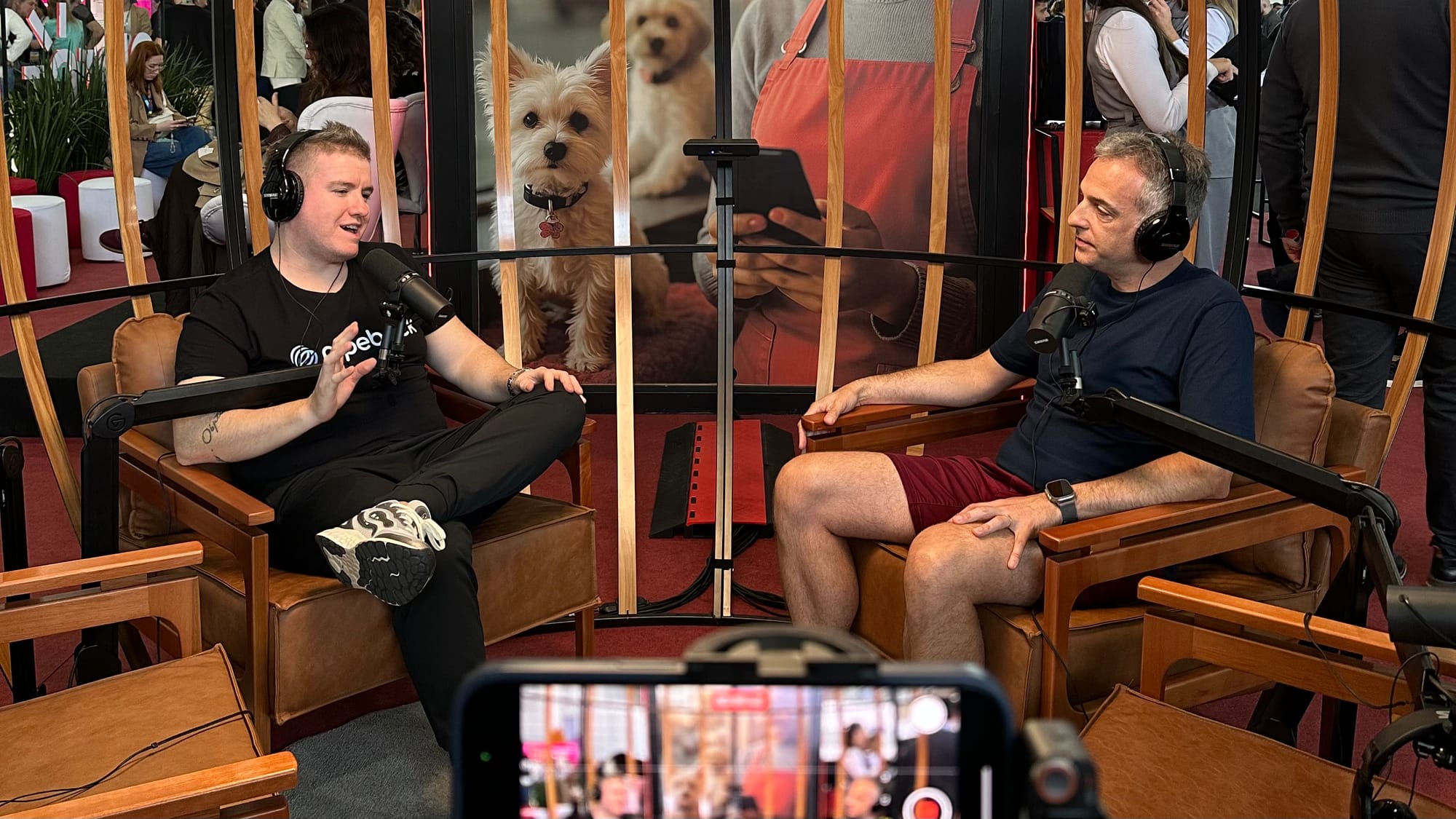
At Startup Summit @ Brazil 2025, Diego and I had the chance to sit down for a podcast about the power of communities and building in public. It was one of those conversations that reminded me why transparency matters so much in this journey. I was wearing my Pipeback shirt, and we talked about how sharing the real story—the struggles, the wins, the daily grind—creates genuine connections with other founders and potential customers.
This approach isn't just marketing; it's how we're building trust from day one.
My view as a developer and founder
Being both technical and entrepreneurial shaped my perspective. I know the real cost of fragmented stacks. I know how many nights are wasted fixing things that should just work.
Developers should be building features, not repairing APIs. Founders should be talking to customers, not trying to understand why churn data doesn’t match across three dashboards.
Pipeback is my answer to that. A single platform where marketing, sales, support, and customer success talk to each other by default.
For early stage founders, it means speed and focus. For growth-stage SaaS, it means efficiency and scale. And for me personally, it’s the foundation of a company I believe can reach $100M ARR.
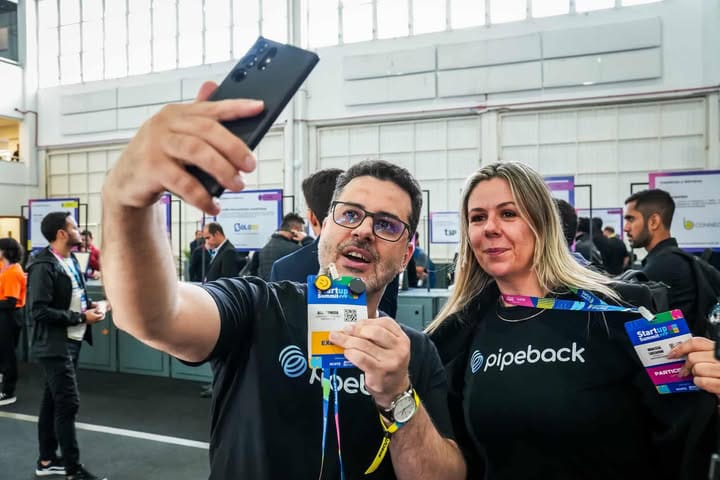
This photo captures something special: Vanessa, our CMO, surrounded by people wearing Pipeback shirts at the summit. It wasn't planned—these were founders and attendees who genuinely connected with what we're building. Seeing people choose to represent Pipeback at one of Brazil's biggest startup events showed us we're on the right track.
It's moments like these that fuel our conviction that we're solving a real problem for the SaaS community.
Early stage honesty
I’m writing this while Pipeback is still early. We don’t have all the answers. We’re still talking to beta testers, iterating, fixing things, and figuring out the right path.
But the thesis is strong. I’ve lived this problem long enough to know it’s real. And I know that if we get this right, we can save founders months of pain and thousands of dollars.
Building in public is part of this. That’s why I started a YouTube series, From $0 to $100k MRR, where I document every step. Wins, losses, struggles. Because I want future founders to look back at these posts and videos and say, “Okay, this is how they did it. This is what worked. This is what didn’t.”
One day, I want to look back and say: “This is how we went from $0 to $100M ARR, step by step.”
What a connected future looks like
A lead comes in through your marketing site. The sales team picks it up instantly, with all the context of where it came from. The deal closes, and support already knows the history. Customer success has the full timeline from first click to renewal.
No silos. No confusion. No “who talked to this customer last?”
That’s the future I want Pipeback to make real, not just for us, but for every SaaS company aiming to build something big.
Looking ahead
Right now, we’re still early. We’re talking to users, shipping fast, and figuring things out as we go.
We're building Pipeback to become a $100M ARR company. That’s the north star. The journey there won’t be easy; it’s full of uncertainty, challenges, and hard decisions, but that’s exactly what makes it exciting.
What I know for sure is that the problem is real, the pain is huge, and solving it can change the way SaaS companies grow all over the world.
This is why I created Pipeback to empower SaaS founders and teams with the tools they need to unlock growth, reduce churn, and build lasting customer relationships without the guesswork.
Because at the end of the day, great products deserve great retention, and every customer interaction matters.
Share this article